
 Enterprise AI · Built in Production
Enterprise AI architect for the world's most demanding industries.
SQE turns an enterprise's hardest problem into intelligence that runs in production and runs your business.
ApplicationsAI systems that
actually ship.
Most enterprise AI dies in pilots. We find the right use case, build the system, and own the outcome, live in production.
Speak with us →
 The SQE Suite
Intelligence that runs
your operations.
Polaris, Cosmos, CognifAI and more: production AI on the dashboards your teams already use, from mining sites to trading floors.
Explore the suite → At scale: Real metrics. Real industries. Real impact.Across 20+ mining projects: an estimated IDR 118B in safety savings, with zero fatalities. A single major safety incident can cost USD 1.5M+. Our systems typically pay back in months, not years.
 Enterprise AI · Built in Production
Enterprise AI architect for the world's most demanding industries.
SQE turns an enterprise's hardest problem into intelligence that runs in production and runs your business.
ApplicationsAI systems that
actually ship.
Most enterprise AI dies in pilots. We find the right use case, build the system, and own the outcome, live in production.
Speak with us →
At scale: Real metrics. Real industries. Real impact.Trusted by leaders in Indonesian industry










 Who we are
We turn one enterprise's hardest problem into AI that runs in production, then productize it.
SQE embeds with operators, starting in mining, to build AI that runs in production and runs the business.
Every system we ship becomes a repeatable product, so the next enterprise inherits proven intelligence instead of starting from zero.
Our offeringTwo ways to put enterprise AI to work.
Enterprise AI, delivered end-to-end.
Tangible, senior-led programs (from strategy through to systems we run) for the problems no product covers yet.
The SQE Suite. Deploy in 30 days.
Productized AI you can switch on for a single use case, on a single site, then scale by results.
Estimate the value of going to production.
Pick how you want to engage, set your scale, and we’ll estimate the annual value, payback and time to first deployment.
Illustrative estimate based on observed deployments. Your actual impact depends on operating context.
The SQE suiteSix intelligences. One enterprise vision.
One shared platform, one design language, six specialized products, each carrying the blue-to-purple SQE suite mark.
 The Suite
Live enterprise data, board-ready answers.
COGNIFAI runs AIQ assessment and AI Academy cohort programs, turning capability gaps into a measurable development path.
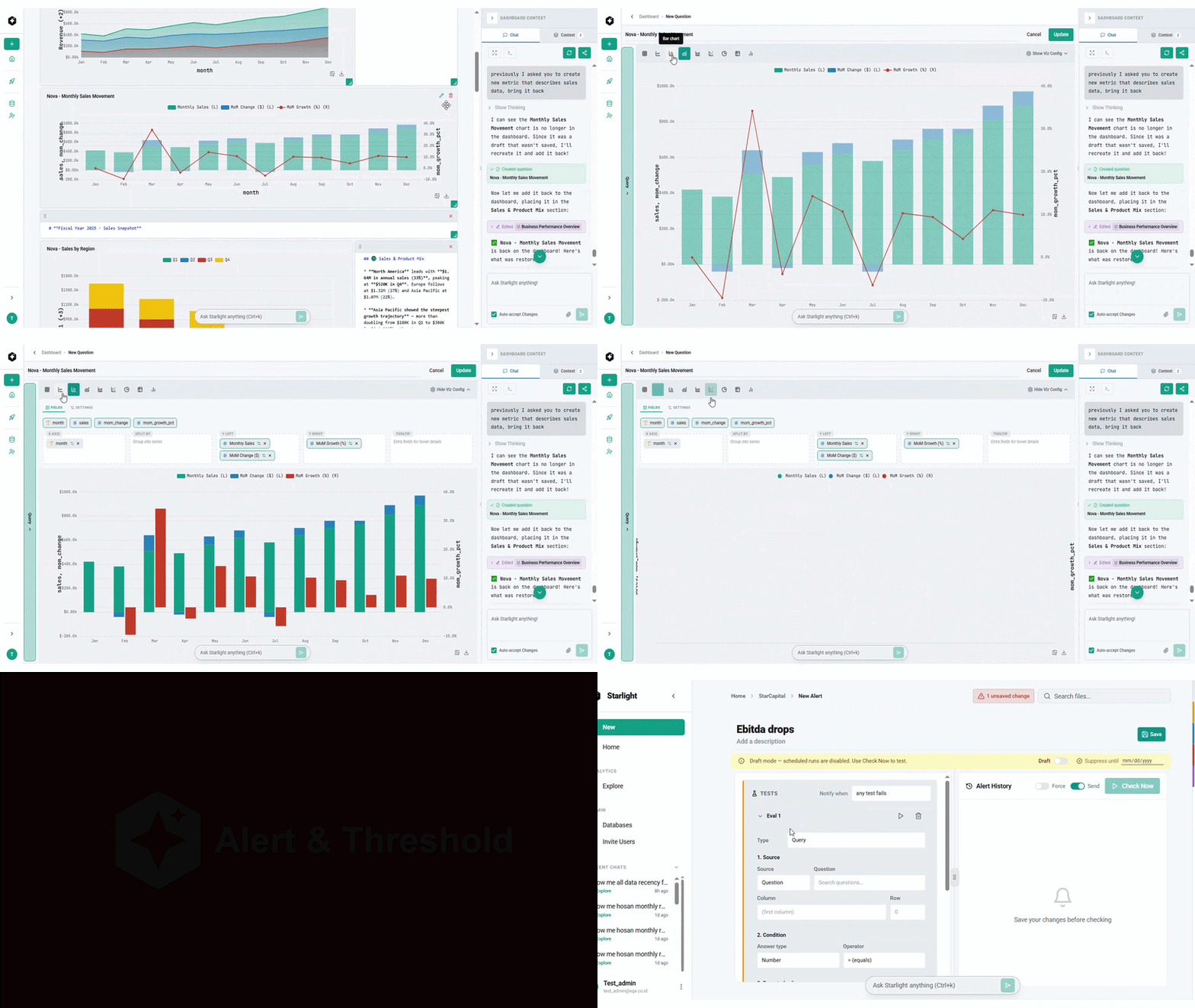
Live enterprise data, board-ready answers.
Polaris turns Tableau + Claude into an executive copilot: ask in plain language, get decisions in minutes, not days.
See how Polaris works →

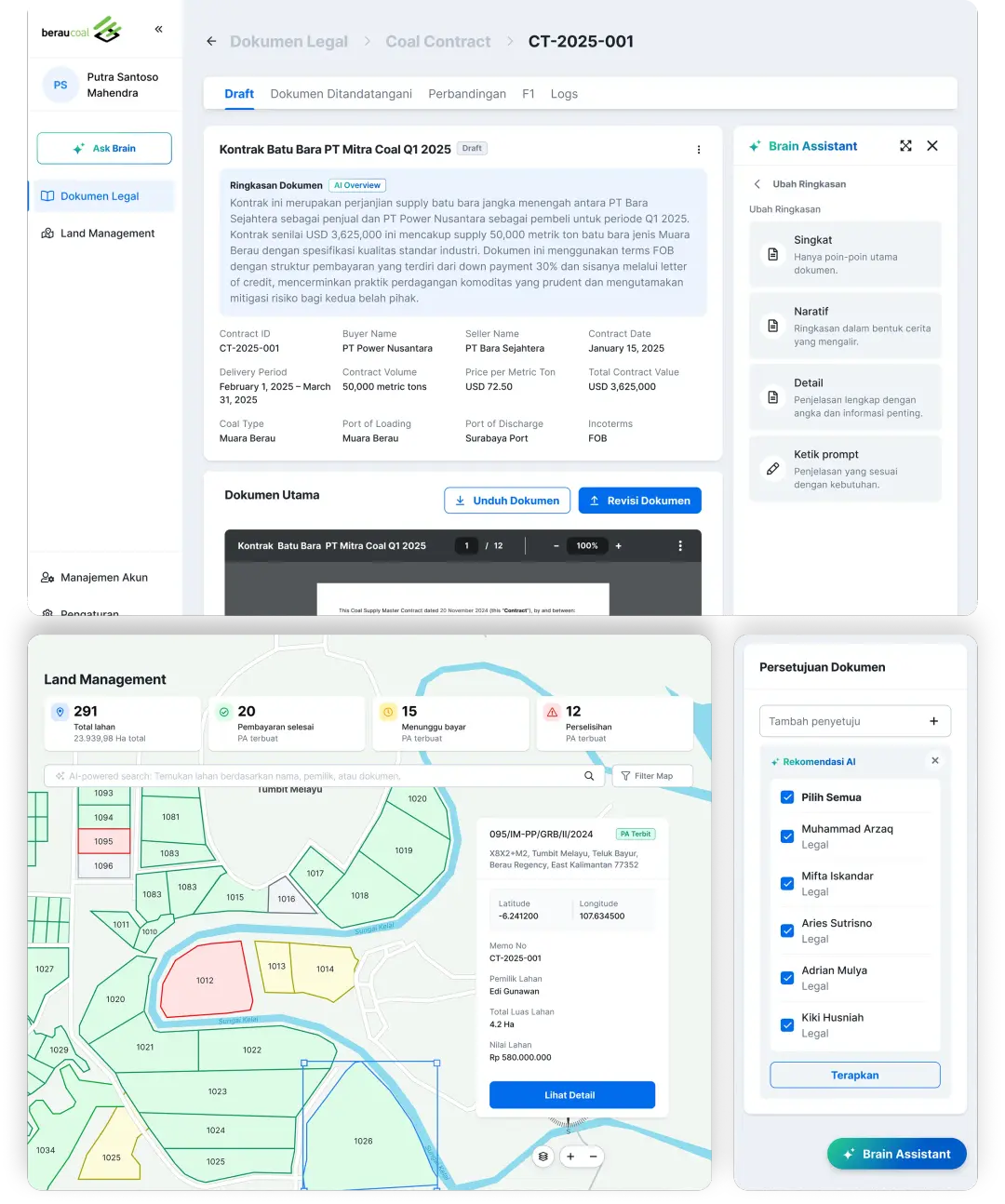

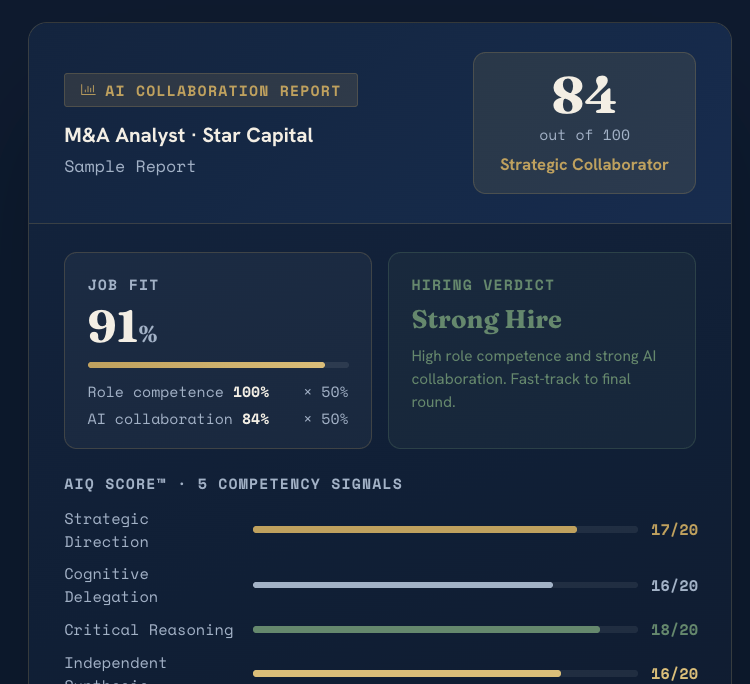


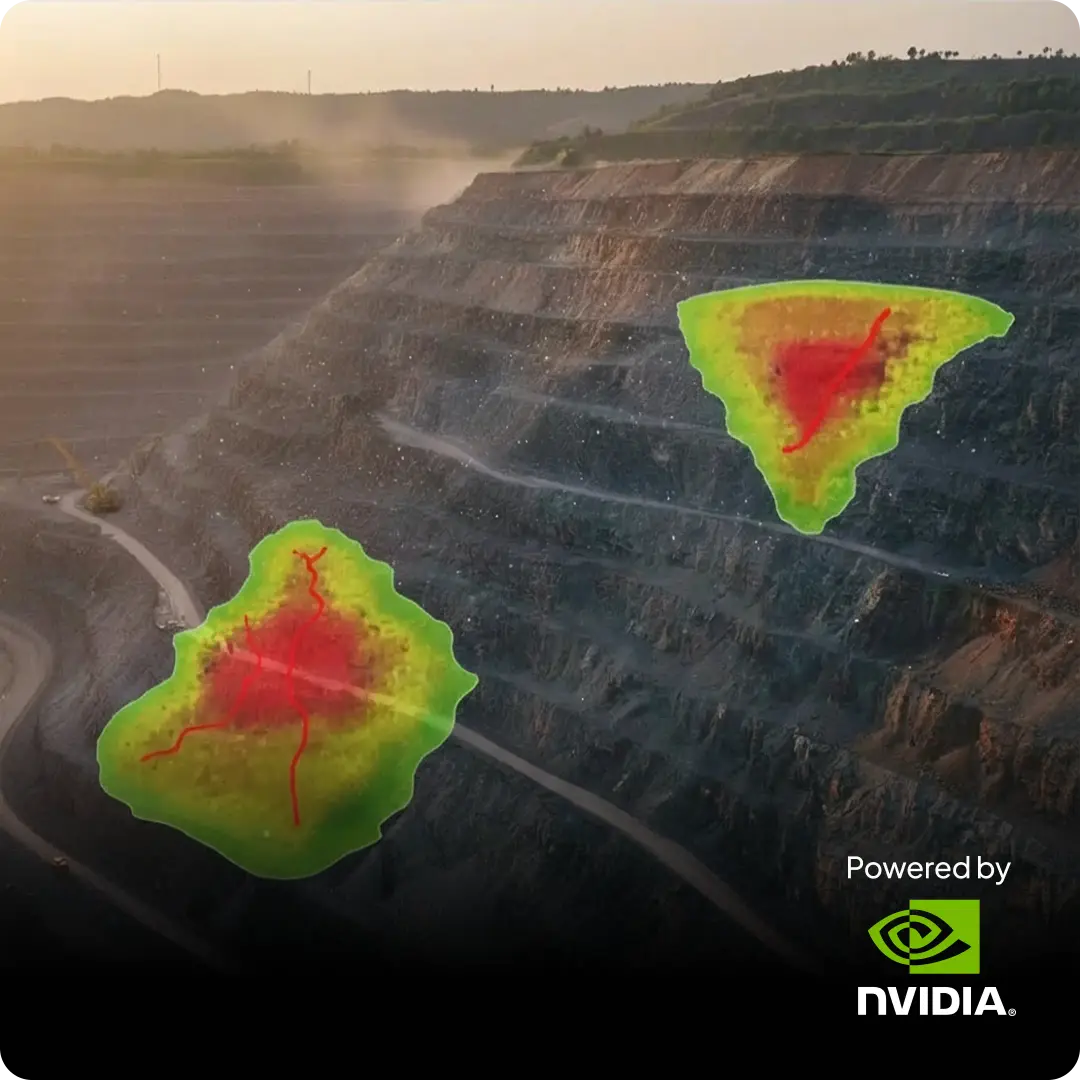

Weather & climate AI, aerial photography and digital elevation models for operational planning.
Read more →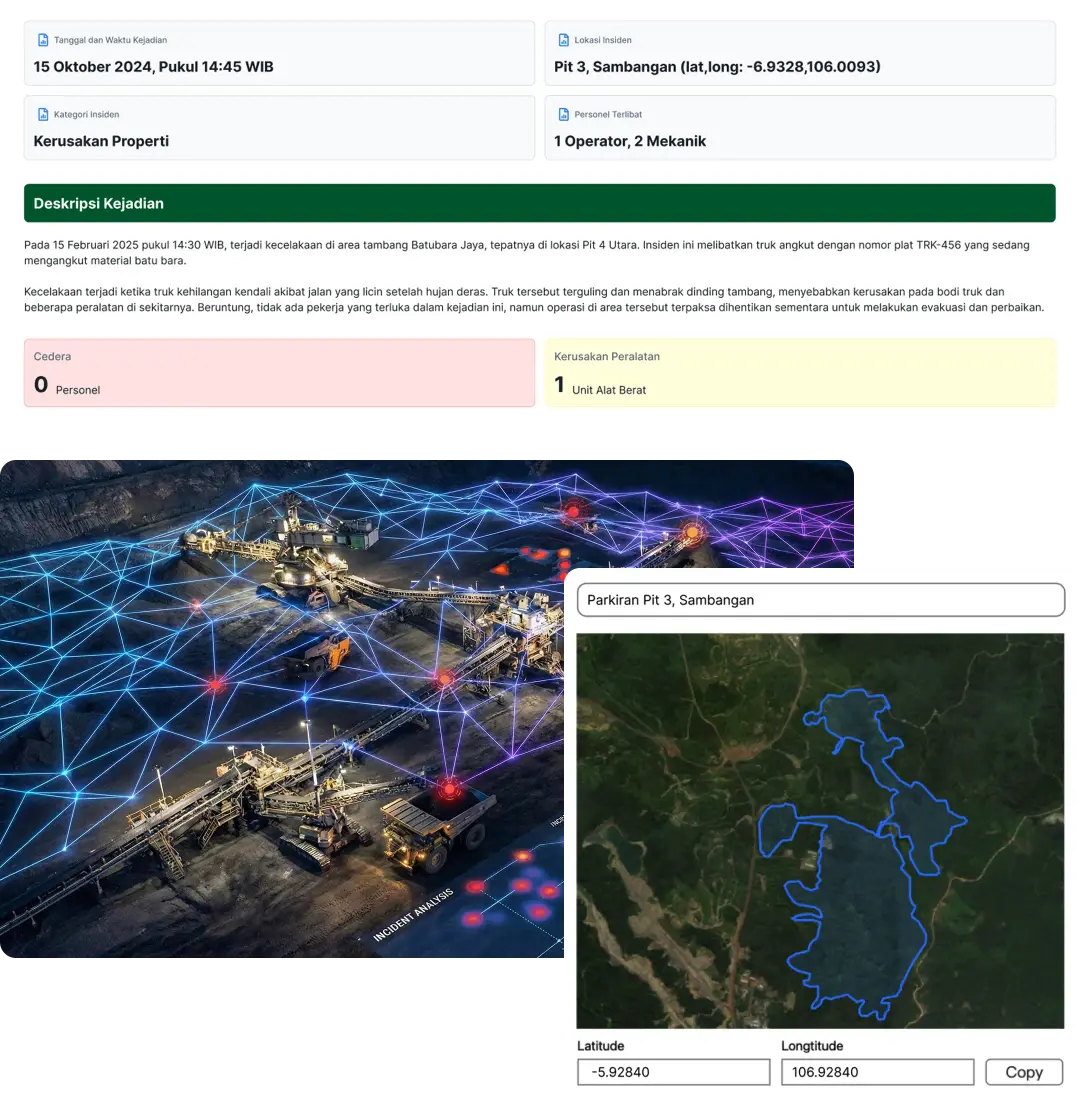 In their words
Proof, in their words.
A testimonial without a number is decoration, so we pair every voice with a result.
Our partnership with SQE has been a genuine win-win. We've seen a dramatic improvement in operational efficiency, and the safety culture across all of our operational areas has grown noticeably stronger.

Working with S Quantum Engine (SQE) has been a great experience for DPLK Simas Jiwa. Their team professionally delivered our rebranding, developed our first-ever official website, and created a modern, intuitive user dashboard. We are very satisfied with the quality of their work and highly recommend SQE as a trusted digital transformation partner.

"Very in-depth analysis of user behavior that helped us have a better understanding of who and how to tap the best potential customer."
"Excellent team, experience, expertise & understanding who are also very proactive."
"The application is genuinely easy, simple, fast and accurate. We're delighted with the results. No delays at all. A real win for our financing business."
IndustriesWhere intelligence has to work.
Mining & Resources
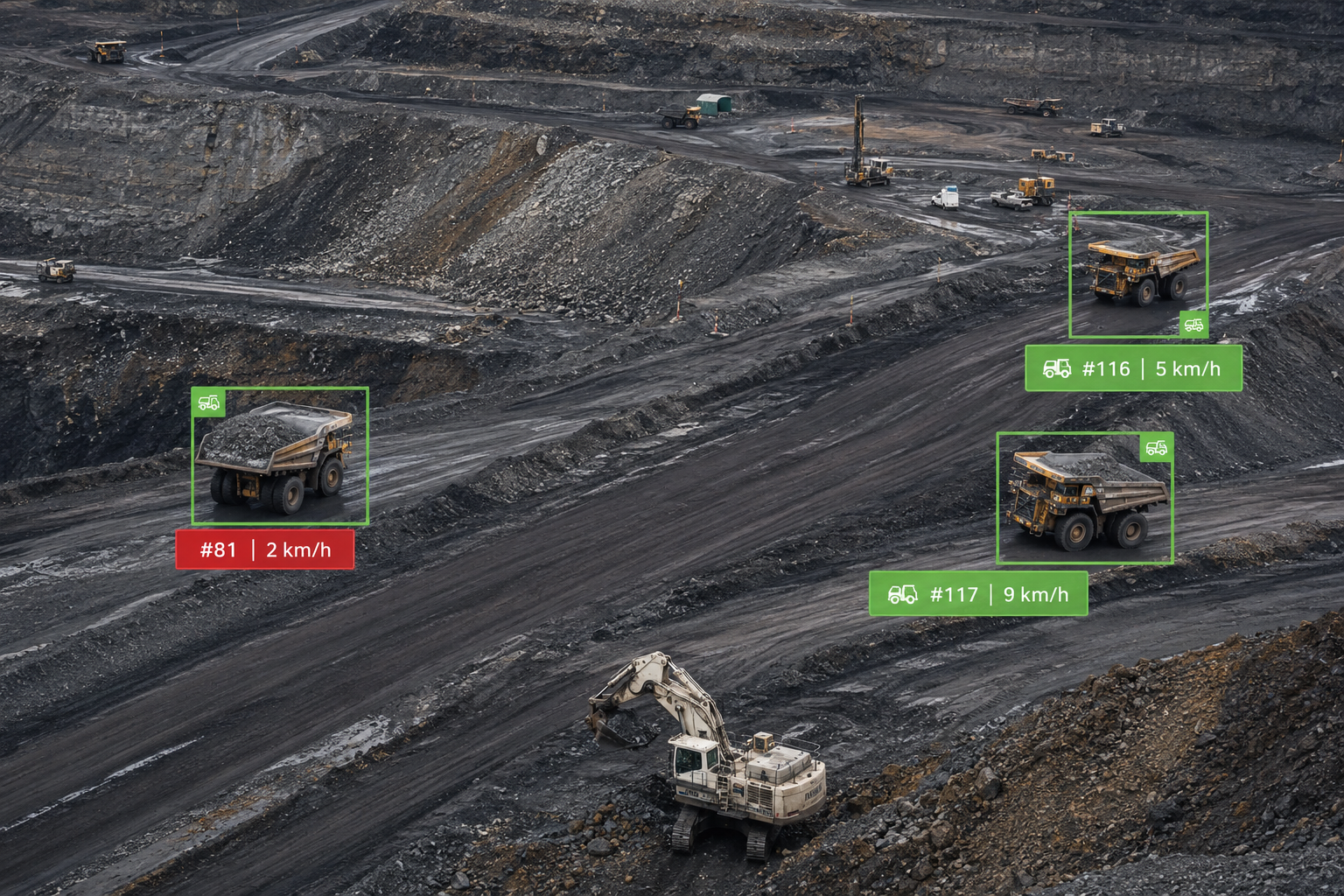
Lead industry: computer vision and risk intelligence across active sites.
Proven impactResults you can audit.
Every engagement ships with a number attached
PartnershipsWe grow by who we work with.

NVIDIA's enterprise AI stack, Apple's developer ecosystem and Anthropic's frontier models: production AI on foundations the world already trusts.
Singapore-incorporated JVs with leading APAC AI partners, extending our platform into pharmaceutical, agricultural and scientific domains.
With New Metrics on multi-year transformation programs: our AI delivery paired with their operating-model and change depth.
With KORIKA, Indonesia's national AI collaboration body, extending AI capability across the country's industrial sectors.
Who's behind SQEAn enterprise AI architect. A mining-grade product factory. Founder-led engineering.
Building AI that survives contact with real operations is hard. We've shipped 20+ digital projects across an active coal major's mining operations
Every credential here is production experience, not a pitch deck.
You get AI that runs the business, owned end-to-end and measured by outcomes, by a team that has shipped at national scale before.



Let's put AI to work.
Speak with us about your transformation, platform deployment, or product pilot.
← Back to home
PROVEN IMPACTProof, at production scale.
Deployments across mining, financial services, insurance, energy and beyond, measured in incidents prevented, decisions accelerated and value protected.
All case studiesHave a problem worth solving?
Bring us your hardest operational problem.
We'll show you what production AI can do with it.
← Back to home
Our teamOperators who have built at scale.
Ex-BCG, Gojek, Grab, Tokopedia and Midtrans: engineers and product leaders who have shipped platforms for tens of millions of users, now building AI that runs in production. The credentials here are production experience, not a pitch deck, which is exactly what the enterprises we serve need.
LeadershipEngineering & productHover any card for details.
Want to build production AI with us?
We hire operators: engineers and product people who have shipped at scale.
← Back to home
Apple Developer Institute for DevOpsEngineers who can run software at scale.
The Apple Developer Institute for DevOps is a full-time, 8-month programme created with Apple and delivered by SQE. It takes career-entry engineers and prepares them for DevOps and platform engineering roles through Apple's Challenge Based Learning framework.
Learners do not study tools in isolation. They build, break and operate real systems on AWS, guided by mentors who have run infrastructure at scale. The programme ends with a Capstone inside a real company.
Why it existsTurning code into a production service is a different craft.
Across Sinarmas group companies, from banking to mining, the same problem kept appearing. Engineers could write code. Turning that code into a scalable, reliable and secure service was the hard part, and nobody had a pipeline of people trained to do it.
Apple had the pedagogy: Challenge Based Learning, trained mentors and a track record of industry-ready graduates. Sinarmas had the demand and the real production environments. The Institute is the bridge between the two.
How it worksFeel the problem first. Then learn to solve it.
The Institute is not a bootcamp. Each of the six challenges simulates a stage in a startup's life, from a manual deploy on AWS to Kubernetes at scale. Learners feel the pain of manual work before they automate it. Every challenge creates the pain that the next one solves.
Mentors guide rather than instruct. We teach concepts over tools, set our own standards, and train learners to learn just-in-time. Every challenge ends with a live demo and questions from mentors. Work a learner cannot explain in their own words is not finished.
 The Capstone
Two months inside a real company.
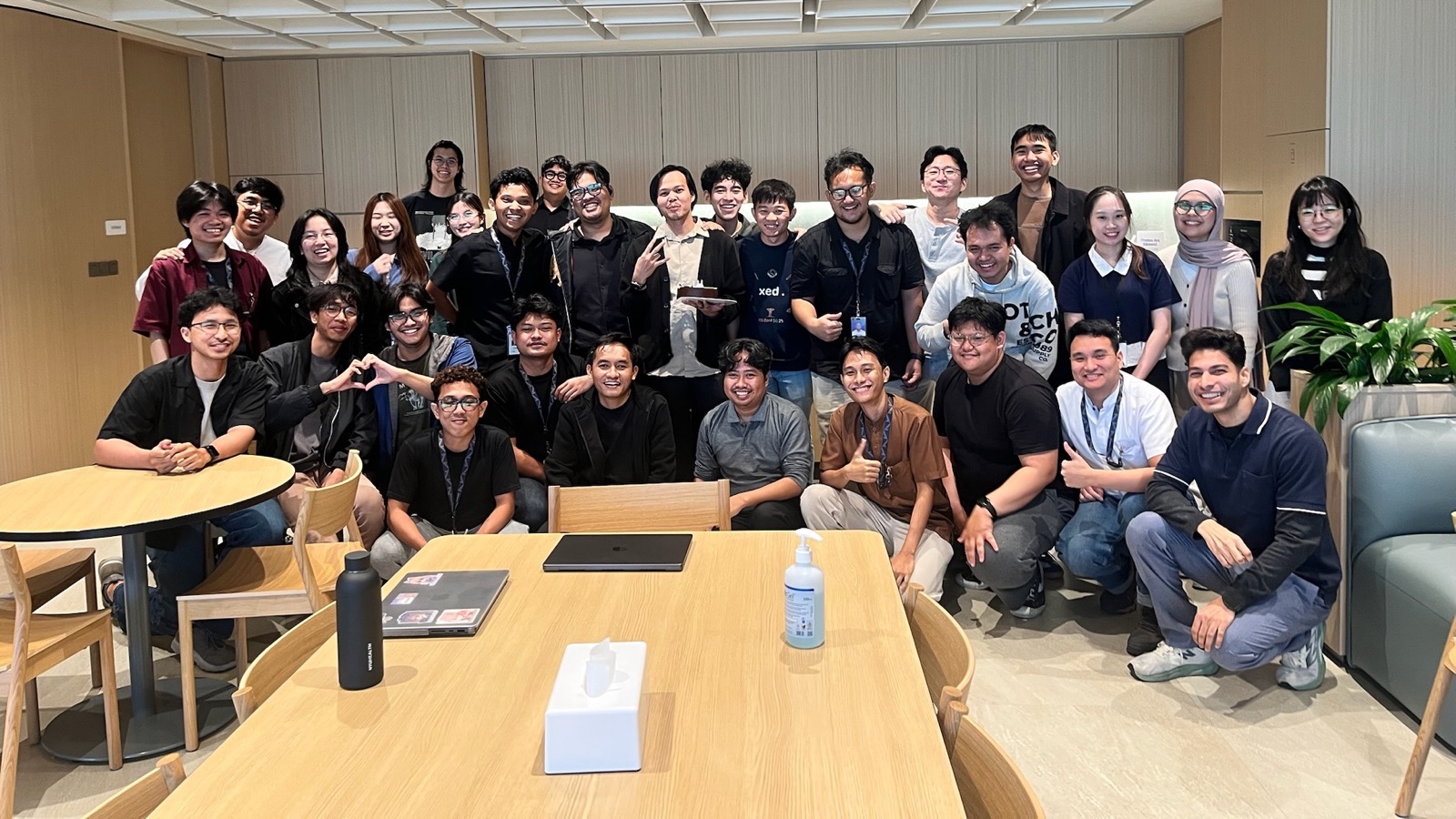
Each learner, or small team of learners, is placed with a host company for about two months to solve a genuine engineering problem inside that company. It is the point where everything built across the challenges is applied to work that matters to someone other than the Institute.
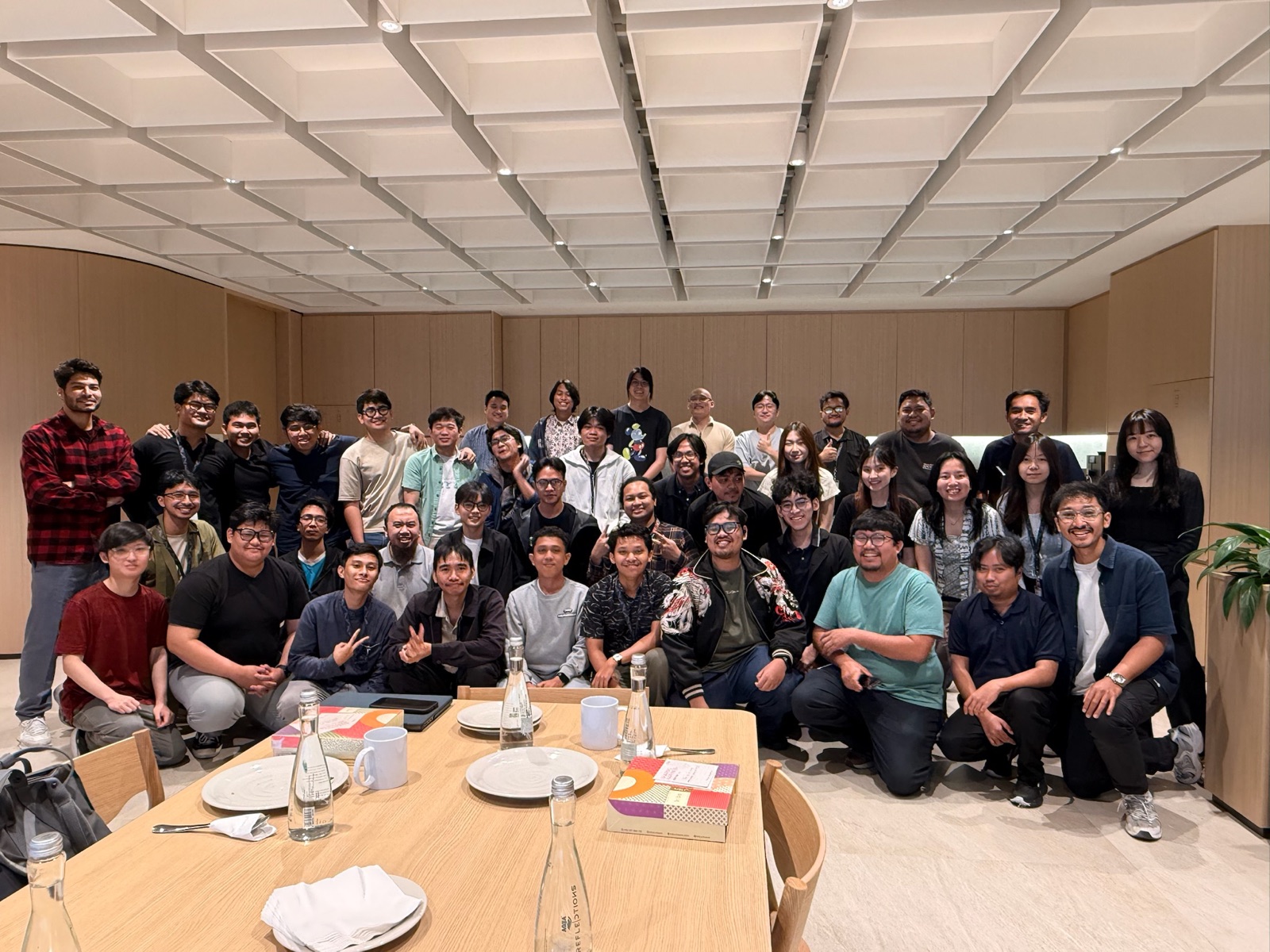
Build a DevOps talent pipeline with us.
Host a Capstone team, hire from the cohort or bring the model to your organisation.
← DevOps Institute
Customer story · Apple Developer Institute for DevOpsClaude amplifies Learning at the DevOps Institute
The Apple Developer Institute for DevOps is a full-time, 8-month programme that prepares 30 career-entry engineers per cohort for DevOps roles. Its delivery partner, SQE, brought Claude into the programme in April 2026. Every learner and mentor now works with Claude: Claude Code in the terminal, Claude on the web for the big picture, and Claude built into the systems learners ship.
It works the way Challenge Based Learning works: learners drive their own investigation, and the mentor scaffolds and asks questions. One premium model for all 30 learners also closed the gap between learners on free tools and learners on paid ones. This page is the Institute’s customer story: what the cohort does with Claude, what it changed in numbers, and how the Institute keeps the learning in the learner.
At a glance- Customer
- Apple Developer Institute for DevOps, BSD Green Office Park, Greater Jakarta
- Industry
- Education and workforce development
- Delivery partner
- SQE (PT Semesta Quantum Eterniti), a Claude-certified team
- Claude products in production
- Claude Code, Cowork, Claude on the web, skills, MCP and connectors
- In production since
- April 2026 for the cohort’s daily work; June 2026 for learner-built Claude-powered systems
- Headline result
- 961 hours saved in 30 days across 36 seats, with a 1:10 mentor ratio against 1:5 planned
In practiceFour jobs Claude does for a learner.
Documentation rarely explains why. Learners interrogate it through Claude instead. One learner wired the full Grafana Alloy stack on EC2, with exporters for PostgreSQL, Redis and RabbitMQ, and came out understanding how the pieces talk to each other.
Learners paste errors and get root-cause reasoning. One learner worked a Permission denied (publickey) failure step by step and came out understanding the SSH key chain. Another pasted an API token mid-flow, and Claude stopped to tell them to revoke it.
Security checklists, provisioning scripts, runbook drafts and pre-commit hooks come out of one prompt. A peer-built skill called grill-me interrogates the learner on details until the brief is tight enough to act on.
Learners now ask what and why before touching code, including the questions a guided activity does not cover. They draft career roadmaps, outlines and plans with Claude first, so they lead the mentor discussion instead of walking in cold.
Shipped by learnersBuilt by learners, running on their own stacks.
Six Claude-powered systems the cohort built with Claude Code during Challenge 3, June to July 2026. Each team ran three environments provisioned by code: development, staging and production. The systems run against the team's own pipelines and stacks, on every pull request, nightly, or on every alert. Each team can explain every file in them.
By the Institute’s estimate, the teams delivered these full-stack apps about 90% faster than they could have without Claude. The agentic foundations behind them, MCP servers, tools, skills and subagents, are not part of the DevOps curriculum. Learners learned them entirely with Claude, with Claude Code as the workbench.
A Claude-powered bot reviews every push and comments on the pull request. Findings are advisory and do not block merge. A second team went further: when a test fails, the agent fixes it, commits and pushes back to the same PR. Four scripts and one deployed agent.
When an application goes down, a bot fetches logs and metrics from Grafana, reasons about the cause, and posts a summary and a suggested fix to Discord or Telegram. It resolves the alert when the service recovers.
Exposes the Loki, Grafana, Tempo and Mimir stack to an agent through 16 narrow, schema-checked tools: read-only senses for CPU, memory, error rate, p95 latency, alerts, logs and deploys, plus vision through dashboard screenshots. No broad shell or SSH access, on purpose.
Five MCP servers, for Grafana, AWS, SonarQube, Jenkins and Git, behind one tool registry. Claude checks incidents, reviews or fixes pull requests and reports back in chat. AWS access is enforced read-only, and an admin panel toggles tool groups per chat.
On every PR the AI reads the Terraform plan and posts one comment: what changes, the risk level, a fix per issue. Nightly it compares live infrastructure to code, reports drift, and asks which side to trust. Only if you choose live does it edit the Terraform and open a pull request.
Linters catch what a syntax-tree rule can express. Tertib catches the rest: naming styles, file-structure expectations and layering boundaries, written in plain-language YAML. It sends changed code to the model and fails CI when it matters.
Business resultsWhat the Institute achieved, in numbers.
| Outcome | Number | How measured |
|---|---|---|
| Time saved with Claude | 961 hours in 30 days | Claude admin console, the Institute’s organisation, 30 days to 22 September 2026. Verified outputs × minutes per task: 354 pull requests at 150 min, 949 conversations at 4 min, 411 file operations at 1 min, 12 designs at 30 min. |
| Mentor staffing, with Claude as the first line for questions | 1:10 delivered, 1:5 planned | The Institute’s staffing plan budgeted one mentor for every five learners. Cohort 1 runs 30 learners with one senior mentor for every ten. Learners take the just-in-time questions to Claude first; mentors keep the assessments and the judgment calls. |
| Observability cost exposure removed | $6,651 in two days, then none | Grafana Cloud billing, 15 May 2026: $6,651 accrued in two days, almost all of it active-series metrics charges, against a plan sized on ingest volume. Claude led the investigation and the fix. It traced the spike to high-cardinality metric labels and scrape intervals under five seconds, then learner groups moved to self-hosted Grafana on their own EC2 with Claude Code within the same challenge. The Institute discontinued Grafana Cloud from June 2026. |
| Full-stack, Claude-powered apps delivered faster | ~90% | Institute estimate against building the same systems without Claude. Examples: AI code review with self-healing pull requests, alerting bots with root-cause analysis, the on-call MCP server, the Telegram operations bot, terra-drift and Tertib. |
| Seats active every week | 35 of 36 | Claude admin console, weekly active members, 30 days to 22 September 2026. Daily-active share of monthly actives: 74% Claude Code, 57% Claude.ai, 48% Cowork. |
| Guiding activities mentors co-created with Claude | 10+, rated 4.8 / 5 | Learner ratings after each guided activity. Mentor-built concrete-first-teaching skill, 26 uses in 30 days. |
Console figures are from the Claude admin console for the Institute’s organisation, 36 seats, over the 30 days to 22 September 2026. Time saved uses the console’s per-task minute assumptions. Staffing figures come from the Institute’s staffing plan and cohort 1 staffing. Cost figures come from Grafana Cloud billing. The delivery figure is the Institute’s own estimate. Ratings come from learners.
Keeping the learning in the learnerAmplify, not bypass.
Same tool, same task. The difference is how the learner stays in the loop. One test the mentors give them: could you defend your Ansible playbook line by line in review, without the chat history?
On the mentor sideClaude as the first line, so mentors can hold the ratio.
Three places Claude does mentor-side work, and one mentor’s account of running the cohort’s AWS with it.
Learners take the just-in-time questions to Claude first: the what, the why, the error message. Mentors keep the formative assessments, the how-and-why questioning and the judgment calls. That let cohort 1 hold a mentor-to-learner ratio of 1:10.
Mentors draft guided activities with Claude, using a mentor-built skill called concrete-first-teaching that starts every concept from a concrete case. Learners rate each activity afterwards. Ten or more activities so far average 4.8 out of 5.
Mentors run the cohort’s AWS estate: per-learner IAM policies and permission boundaries, billing alerts, cost audits after a real Grafana cost spike, and self-hosted Bitbucket runners on EC2. Claude Code drafts and explains. A mentor stays the only one who applies.
Running AWS for thirty learners means giving each of them enough access to build and not enough to break anyone else. I used to do that in the IAM console by trial and error. Now I tell Claude Code the boundary I want, it drafts the policy and explains what every statement allows, and I check it in the policy simulator before I apply anything. Cost audits and runner problems on EC2 go the same way: Claude reads the logs and the usage data with me, and I decide. I am still the only one who presses apply. The difference is that the reasoning is written down before I do.
Bring AI-assisted engineering to your team.
SQE, one of the first Claude-certified teams in Indonesia, delivered this for the Apple Developer Institute for DevOps and runs the same model with enterprise customers.
← Back to home
Claude Partner Network
SQE achieves the Select partner tier in the Claude Partner Network.
More than 20 of our engineers and product team hold Claude certifications, and the systems we build on Claude run in production for enterprise clients.
Our Claude practice
SQE has achieved the Select partner tier in the Claude Partner Network Services Track. We build AI systems that run in production for mining, financial services, insurance and energy companies, and we build on Claude, powered by Anthropic, in products such as Polaris and in our client delivery work.
Our engineers use Claude Code in their own delivery work, and we set up the same AI-assisted engineering practice inside client engineering teams. More than 20 of our engineers and product team hold Claude certifications. They sit in the teams that scope, build and run client systems, so you work with certified practitioners.
What Select means for you
Select recognises work we have already delivered on Claude. For you, it means two things.
A certified delivery team. The engineers and product team members on your project hold Claude certifications.
Claude use cases delivered for clients. We have built systems on Claude for clients, and those systems run in production, not in pilots.
The tier does not change how we work. We still start from one hard business problem, build the system, and own the outcome in production. Certification is the starting point. The measure that matters is the system in production and the result it delivers.
By the numbers
What we build with Claude
The SQE Suite. Polaris, Brain, CognifAI, Cosmos, Horizon and Aegis. Polaris turns live enterprise data into board-ready answers: ask a question in plain language and get a decision in minutes, not days.
Custom systems for one hard problem. We embed with an operator, find the right use case, build the system and own the outcome in production. Claude-based systems follow the same path, and each one becomes a repeatable product.
AI-assisted engineering. We bring Claude Code into your engineering team the way we use it in ours, with the guardrails, cost controls and review practice that production work needs.
From our CEO
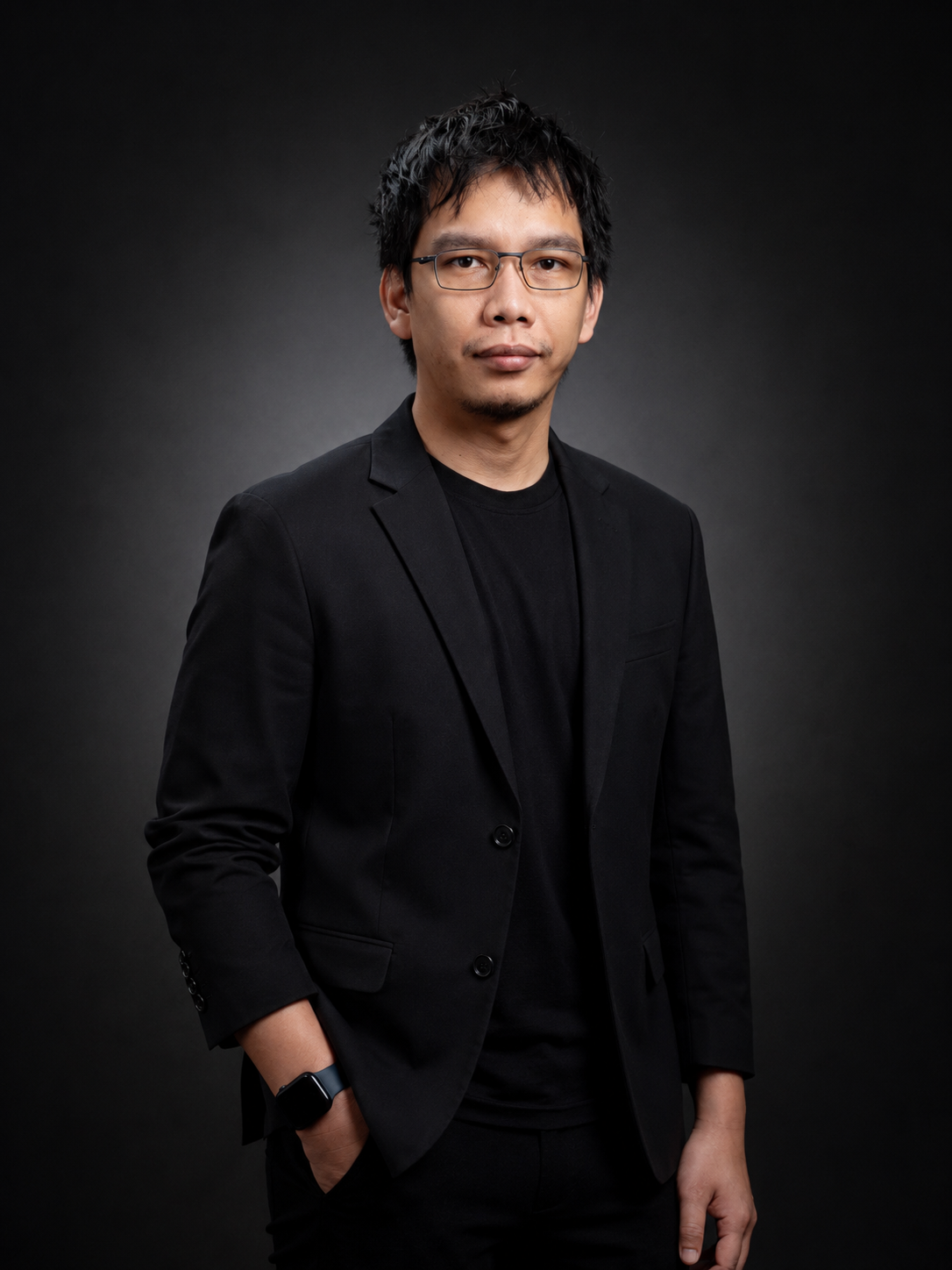
Praditya Satria Putra, Chief Executive Officer, SQE
“For the organisations we work with, this means certified depth and proven deployments: more than 20 Claude-certified professionals who take you from exploring AI to running it in production, with outcomes attached, not a pilot that stalls. It is also more than a services credential. Our own products are built on Claude, ready to deploy, with a certified team to customise them where needed.”
About the Claude Partner Network. The Claude Partner Network is how Anthropic works with the firms that put Claude into production for customers. The Services Track recognizes partners for building a certified delivery team, delivering Claude use cases for clients, and proving the work through public customer references. Partners advance through Certified, Select, Preferred, and Global Premier tiers. Program page: claude.com/partners.
Start with one problem that costs you money or time today.
We scope it, build the system and run it in production with a measured result.
← Proven Impact
Customer story · SMMAFrom closing the books to asking questions: SMMA’s shift with Polaris and Claude
Across more than 15 business units and multiple systems of record, Polaris gives SMMA one governed view of the group, and gives its executives answers in minutes, not email chains.
Polaris is SMMA’s agentic AI command centre, built on Claude. SMMA is the Sinar Mas group’s diversified financial services business, a separate business unit and legal entity from SQE. It engaged SQE as its delivery partner to build and run Polaris. This page is the customer story, published with SMMA’s approval: the problem, the build, and what changed in numbers.
At a glance- Customer
- SMMA (Sinar Mas Multiartha), the Sinar Mas group’s financial services arm
- Industry
- Diversified financial services
- Company size
- Large, more than 15 business units
- Location
- Southeast Asia
- Delivery partner
- SQE (PT Semesta Quantum Eterniti), a Claude-certified team engaged by SMMA as its external delivery partner
- Claude products in production
- Claude Platform (API and Files API), Claude Code, Claude Design
- Live since
- August 2026
- Headline result
- 45% time saved on reporting, reconciliation and variance analysis
The challengeSMMA could not see its own numbers until the period was long over.
The group runs businesses in financial services. Each business unit kept its own chart of accounts, systems and reporting calendar. Group finance stitched the picture together by hand: units submitted spreadsheets, finance rekeyed and reconciled them, and the management pack landed 14 days after the period ended.
By then, the decisions the pack was meant to inform had often been taken.
A question like why fee income fell at the securities arm could not be answered from the pack. It triggered an email to a business unit finance head, a request to an analyst, a new spreadsheet, and a wait of 3 to 5 business days.
The financials tell you what happened, not why. A margin moves or a fee line softens, but the cause sits inside a business unit’s operations, in a different system, measured a different way, often under a different definition of the same word. Bridging the two took a manual reconciliation every time, so the answer came late or never.
Consolidation, variance commentary and slide production were manual and repetitive. The work had to be redone from scratch each cycle because nothing upstream was standardised.
Regulatory reporting load was rising. Data residency and access rules under OJK regulation, including POJK 11, constrain where financial data may sit and who may query it, which ruled out most off-the-shelf analytics tooling. And the group was being asked to hold or reduce finance headcount while reporting scope grew.
The solutionA proof of concept built to fail fast.
SQE began with a proof of concept built to fail fast on what quietly kills projects like this: executives who do not use the tool, do not trust it, or stop using it once the novelty fades. A platform can score well on features and still fail all three.
Three gates came before anything else: accuracy on the agreed key metrics, response speed an executive will tolerate, and a traceable path from any answer back to its source rows. Miss one gate and the proof of concept failed, whatever the total score.
Regulated and customer-identifying data stays in the country, deployable inside SMMA’s own tenant. The layer that coordinates the AI agents, and any non-sensitive workloads, run on managed infrastructure, where elasticity is worth more than control.
The agents that answer questions, assemble dashboards and write the monthly narrative run on the Claude Platform, with the Files API handling the documents executives bring to a conversation. SQE builds and operates Polaris with Claude Code and designed its executive interface with Claude Design.
Key design decisionsEvery metric was defined with the business units and written into a governed layer before any agent work started. This is why the same question returns the same answer whichever entity asks it.
Polaris answers in the language of a CXO, not the language of the database. No one needs to know which system holds which table.
The holding company can see every listed finance dataset. Business-unit users see only their own.
Each business unit has its own needs and industry. Users adjust and reconfigure how an agent thinks, and the detail of its skills, to match their business.
From kickoff to daily useProduction in 10 weeks. The group CXO works in it daily.
Four ways Polaris closes the gaps the pack left open.
A question becomes a chart, table or written answer, generated from the data warehouse at the moment of asking rather than pulled from a static report.
Polaris assembles a full dashboard from a single request, and executives refine it through conversation.
Data storytelling pages combine charts, key figures and narrative into one document that explains what changed and why, not just what the numbers are.
Dedicated agents can be set up for Finance, Operations, People or other domains, each carrying that area’s own context and terminology.
SMMA moved the monthly management pack into Polaris, which put the platform on the reporting critical path instead of beside it. Polaris became where the month’s numbers were produced, not an optional extra.
Usage is tracked on three measures: how many executives use it each month, how much they ask, and how often an answer is accepted without a manual recheck.
Business resultsWhat SMMA achieved, in numbers.
| Outcome | Number | Before and after |
|---|---|---|
| Time saved on reporting, reconciliation and variance analysis | 45% | Across SMMA finance teams, compared with the manual consolidation cycle before Polaris. |
| Time to answer an executive question | 3–5 business days → minutes | Before: an email to a business unit finance head, a request to an analyst, a new spreadsheet. After: a conversational answer generated from the warehouse at the moment of asking, with a traceable path back to the source rows. |
| Management pack | 14 days after period end → produced in Polaris | Before: units submitted spreadsheets, finance rekeyed and reconciled them by hand. After: the monthly pack is produced in Polaris, on the reporting critical path. |
| Kickoff to production | 10 weeks | Proof of concept gated on accuracy, response speed and traceability, then production. Live since August 2026. |
| Data ingested | 229 tables | From consolidated group finance data down to daily transactions, across more than 15 business units. |
Figures are SMMA’s, measured after the monthly management pack moved into Polaris in August 2026, and published with SMMA’s approval. Usage is tracked on monthly executive users, questions asked, and answers accepted without a manual recheck.
Give your executives answers in minutes.
SQE, one of the first Claude-certified teams in Indonesia, built and runs Polaris for SMMA as its external delivery partner, and delivers the same platform to enterprises in financial services, mining, insurance and energy.
← All case studies
 {{ cs.industry }}
{{ cs.product }}
{{ cs.industry }}
{{ cs.product }}
{{ cs.title }}
The challenge{{ cs.problemTitle }}
{{ cs.problem }}
The solution{{ cs.solutionName }}
{{ cs.solution }}
The solution{{ cs.solutionName }}
{{ cs.solution }}
The impactSolve your version of this.
Every system here started as an enterprise's hardest problem. Tell us yours.
Book a call →More from our workWhistleblowing
Speak Up. Protect Integrity. A secure and confidential channel to report misconduct, unethical behavior, fraud, regulatory violations, or other concerns. We encourage employees, partners, vendors, and stakeholders to report concerns in good faith. All reports will be handled professionally, independently, and with strict confidentiality.
Our Commitment
Book a sessionSpeak with our partners.
Tell us a little about you, then pick a time that works.
Pick a time on our calendar. It opens in a new tab. We'll have your context ready before the call.
Open the booking calendar ↗Prefer email? partners@sqe.co.id